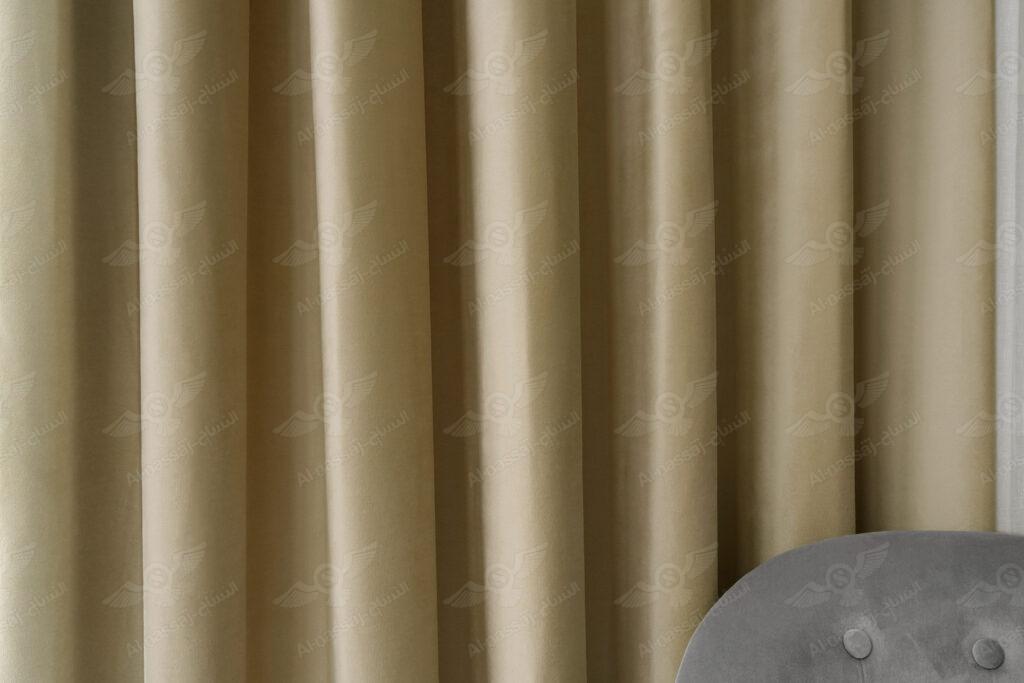
Heat-Resistant Curtain Fabrics: Do They Work? | A Deep Dive into Thermal Protection for Your Home


As global temperatures rise and energy costs increase, more homeowners and commercial designers are turning to innovative solutions to keep interiors comfortable and efficient. One such solution is heat-resistant curtain fabrics. But how effective are they, and what should you know before choosing them?
In this article, we’ll explore the science, materials, benefits, and practical applications of thermal curtain fabrics to help you make informed decisions for your spaces.
Table of Contents
What Are Heat-Resistant Curtain Fabrics?
Definition and Key Properties
Heat-resistant curtain fabrics are specially engineered textiles designed to reduce the transfer of heat from the outside environment into indoor spaces. These fabrics incorporate insulating layers or treatments that enhance their ability to reflect or absorb heat, helping maintain consistent indoor temperatures.
How They Differ from Regular Curtain Fabrics
Unlike standard curtains that mainly serve decorative or light-filtering functions, heat-resistant curtains are performance-based products. They are crafted to block thermal energy, often featuring specialized linings, thicker weaves, or treated fibers that enhance their thermal regulation properties.
Materials Commonly Used for Thermal Resistance
Common materials used in heat-resistant curtain fabrics include:
- Polyester with acrylic foam backing: Offers excellent insulation and UV protection.
- Thermal-backed cotton blends: Combines natural breathability with synthetic insulation.
- Multi-layer blackout fabrics: Incorporates layers of foam or rubberized coatings to block heat and light.
- Wool or felt-infused textiles: Provides natural insulation while being eco-friendly.
Read More: Cotton vs Silk: Which Curtain Fabric to Choose?
How Heat-Resistant Fabrics Work
Understanding how thermal curtains function helps explain their effectiveness across various climates and room types.
Blocking Solar Radiation and UV Rays
These curtains are designed with dense weaves or reflective coatings that deflect solar radiation, including harmful UV rays. This prevents excessive heat from entering a room and minimizes UV-related fading of furniture and flooring.
Insulating Indoor Spaces Against External Temperatures
By creating a thermal barrier between the window and room interior, heat-resistant fabrics help reduce the transfer of external heat during summer and retain warmth in winter. This dual-action insulation improves year-round comfort.
Impact on Energy Savings and Comfort Levels
By reducing the amount of heat entering a room, thermal curtains lessen the reliance on air conditioning, directly lowering electricity usage. In cooler climates, they help retain indoor warmth, reducing heating costs. Users often report significant improvements in indoor comfort, especially during extreme weather.
Types of Heat-Resistant Curtain Fabrics
There are several fabric types engineered for thermal protection, each with unique advantages and applications.
Thermal-Backed Cotton Blends
These fabrics blend cotton’s natural softness and breathability with synthetic thermal linings. Ideal for residential settings, they provide moderate insulation while maintaining a classic, versatile aesthetic.
Heavyweight Polyester with Special Coatings
Heavy-duty polyester curtains with acrylic or rubber backing deliver superior thermal blocking performance. They are often used in commercial spaces, hotels, or large glass-paneled areas where solar gain is a major concern.
Multi-Layer Blackout Curtains
Blackout curtains designed with multiple thermal layers offer the best of both worlds: complete light blocking and advanced thermal insulation. They are perfect for bedrooms, nurseries, and home theaters.
Eco-Friendly Options with Natural Insulation Properties
Materials like wool, hemp, or recycled fibers are gaining popularity for their sustainability and natural insulating capabilities. These curtains appeal to environmentally conscious consumers who want to reduce their carbon footprint without sacrificing functionality.
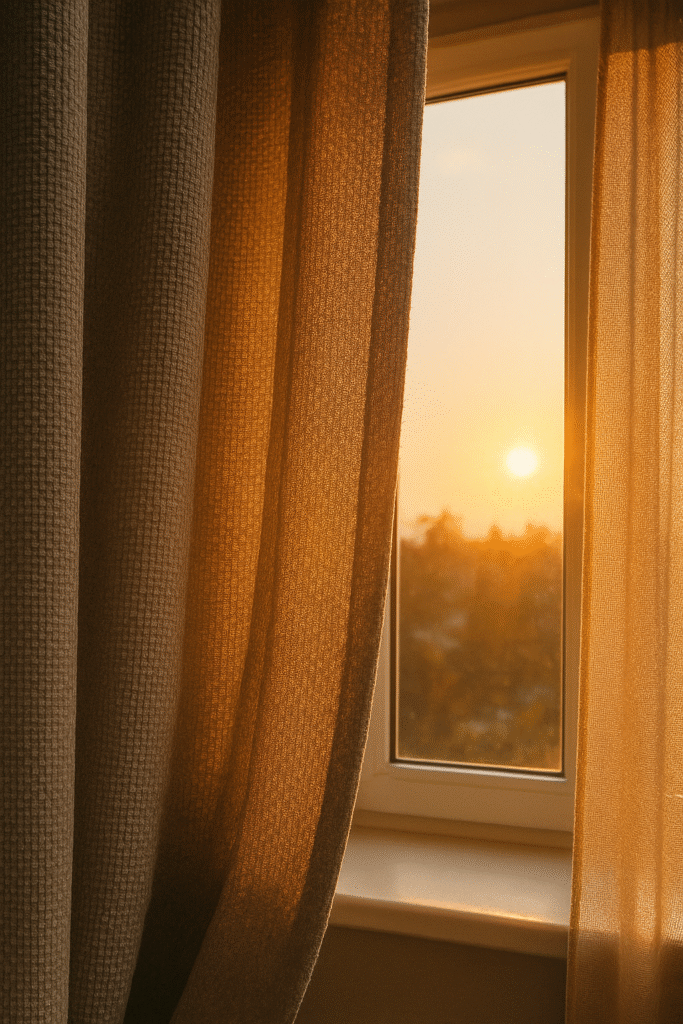
Benefits of Using Heat-Resistant Curtains
Installing heat-resistant curtains brings both immediate and long-term benefits to your home or business environment.
Lower Indoor Temperatures During Summer
Thermal curtains reduce solar heat gain by reflecting sunlight before it enters the room, keeping indoor spaces noticeably cooler during hot weather.
Reduced Energy Bills by Lessening AC Usage
By maintaining stable indoor temperatures, these fabrics minimize the need for air conditioning, leading to significant savings on energy bills over time.
Protection for Furniture and Flooring from Sun Damage
Heat-resistant fabrics block harmful UV rays, which can cause fading and degradation of wood, upholstery, leather, and other materials over time.
Enhanced Privacy and Sound Insulation
In addition to temperature control, thick thermal curtains also serve as sound barriers and improve privacy by preventing light silhouettes or visibility from outside.
Limitations and Considerations
While heat-resistant curtains are highly beneficial, they are not a one-size-fits-all solution. Certain factors must be considered for optimal performance.
Not All Thermal Curtains Block 100% of Heat
Although they significantly reduce heat transfer, even the best thermal curtains may not eliminate all solar heat. Their effectiveness is influenced by material quality and installation method.
Effectiveness Depends on Fabric Quality and Room Conditions
Thermal performance varies based on fabric density, coating type, and room factors such as window orientation, glass type, and presence of other insulation layers.
May Require Proper Installation for Maximum Efficiency
To ensure the best results, heat-resistant curtains should be installed to fully cover window frames, extending a few inches beyond the edge and reaching from ceiling to floor. Gaps can allow thermal leakage, reducing effectiveness.
Ideal Rooms for Heat-Resistant Curtains
Certain rooms benefit more from thermal curtain fabrics due to their exposure to sunlight and usage patterns.
Bedrooms Exposed to Morning or Afternoon Sun
Thermal curtains keep bedrooms cool in summer mornings or warm during cold nights, contributing to better sleep and comfort.
Living Rooms with Large Glass Windows
Living areas with wide windows or glass sliding doors often experience direct sun exposure. Heat-resistant curtains reduce glare and improve climate control in these commonly used spaces.
Home Offices Needing Temperature Control
Stable temperatures are essential for productivity. Thermal curtains help create a comfortable environment in home offices, especially those with sun-facing windows.
Sunrooms and Verandas for Added Insulation
These glass-heavy spaces are highly prone to heat gain and loss. Insulated curtains can make them usable year-round by regulating temperature extremes.
Styling Tips for Heat-Resistant Curtains
Thermal curtains don’t have to sacrifice style for functionality. With the right design choices, they can enhance your room’s aesthetics.
Choose Light Colors to Reflect Heat Better
Opt for light shades like white, beige, or soft gray. These tones reflect sunlight more effectively than dark colors, boosting the fabric’s thermal performance.
Pair with Sheer Layers for Adjustable Lighting
Combine thermal curtains with sheer panels to allow flexible control of natural light without compromising insulation when needed.
Use Double Rods for Flexibility Between Insulation and Aesthetics
Installing double curtain rods allows you to layer decorative sheers with practical thermal curtains, offering the best of both design and energy efficiency.
Al-Nassaj’s Best Heat-Resistant Curtain Options
At Al-Nassaj, we provide premium wholesale curtain fabrics that combine function and style. Our offerings are trusted by furniture makers, interior designers, and artisans worldwide.
Top Thermal Curtain Collections Available
We feature a curated range of high-performance thermal fabrics, including cotton-polyester blends, blackout coated fabrics, and natural wool-insulated options.
High-Quality Blackout and Insulated Fabric Blends
Our double-layer blackout fabrics are engineered to provide both light blockage and thermal insulation, perfect for hotels, residential projects, and commercial interiors.
Custom Sizing and Consultation Services for Optimal Performance
Our expert consultants work with you to understand your space requirements and recommend the right fabric. We also offer custom cuts and specifications tailored to your production needs.
FAQ
Do Thermal Curtains Work Better Than Regular Blackout Curtains?
While blackout curtains reduce light, thermal curtains are specifically designed to also block heat. Some high-end blackout curtains include thermal features, but not all. Always check the material composition.
Can I Use Heat-Resistant Curtains in All Seasons?
Yes. In summer, they block incoming heat; in winter, they retain indoor warmth, making them a year-round solution for climate control.
Are Thermal Curtains Machine Washable?
It depends on the fabric type. Many thermal curtains are machine washable, but those with rubber or foam backing may require gentle care or dry cleaning. Always refer to care labels.
What’s the Best Color for Heat-Blocking Curtains?
Lighter shades are better at reflecting sunlight and heat. However, dark-colored thermal curtains with reflective backings can also be highly effective.
Heat-resistant curtain fabrics are more than just a trend—they’re a smart investment in energy efficiency, comfort, and interior protection.
With a range of styles, materials, and functions available, they cater to both residential and commercial needs.
At Al-Nassaj, we specialize in supplying high-quality, wholesale curtain fabrics to professionals around the world, helping you create beautiful, efficient, and comfortable spaces.
Whether you’re outfitting a home, hotel, or office, our thermal fabric collections deliver performance you can trust.
Read More