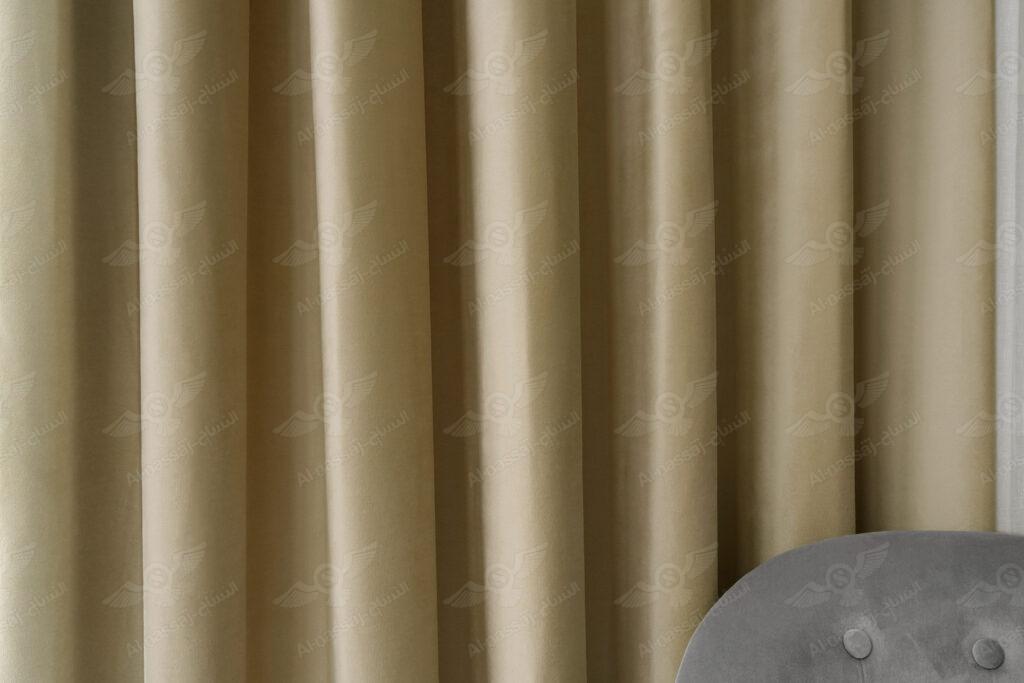
Curtain Fabric Guide for Bedrooms | Create Comfort, Privacy, and Style

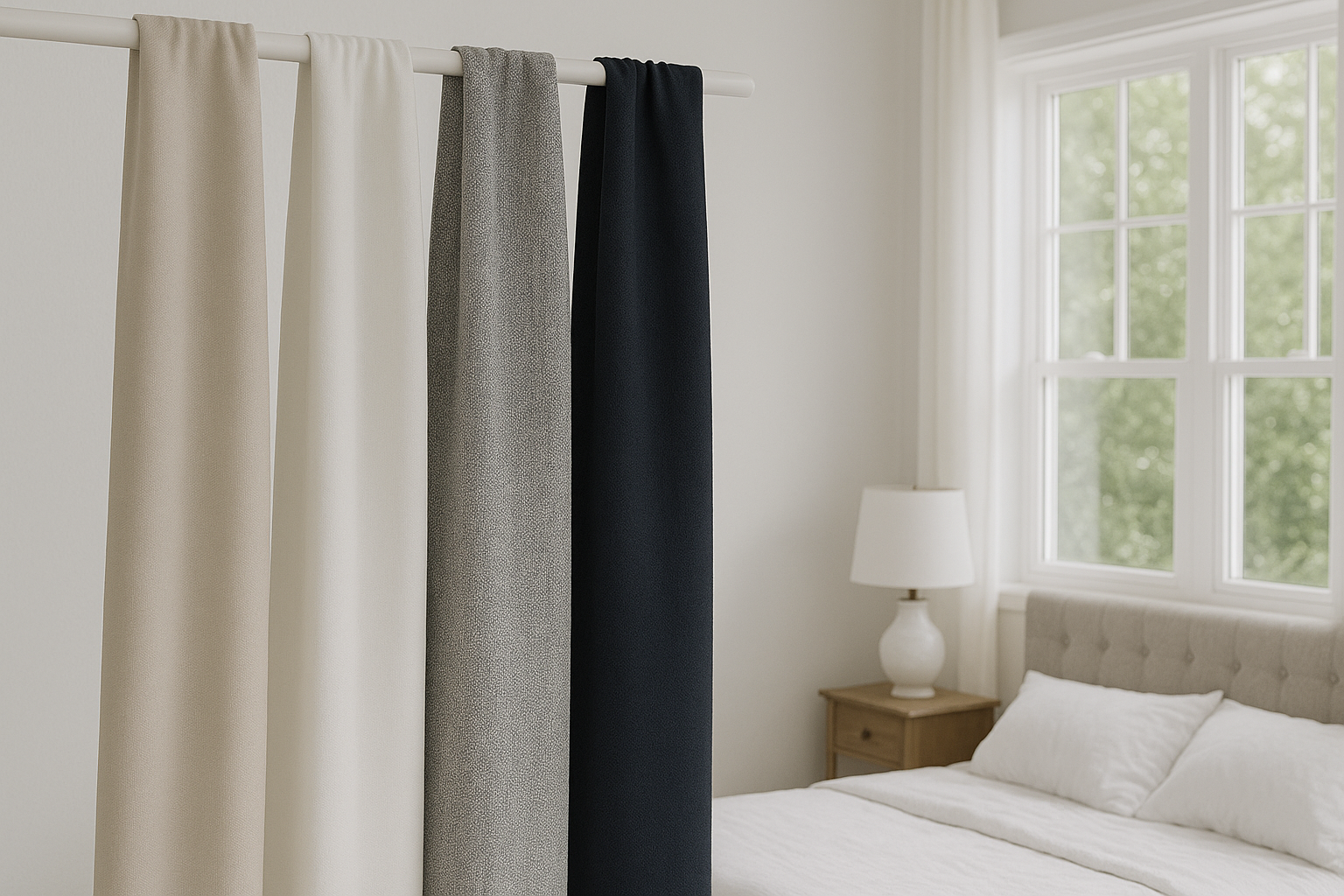
Choosing the right curtain fabric for bedrooms is more than a matter of taste. It directly influences how you sleep, how private your space feels, and how warm or cool your room remains.
For furniture fabric wholesalers, designers, and artisans sourcing high-quality fabrics from China, understanding the technical and practical benefits of different curtain materials is key.
This article will explain everything you need to know to help your clients make informed decisions.
Table of Contents
Why Curtain Fabric Matters in the Bedroom
Curtains as More Than Just Decoration
Curtains aren’t just finishing touches—they serve critical functional roles in bedrooms. They regulate light, provide insulation, enhance privacy, and even reduce noise. Their presence can define the overall ambiance of the room.
How Fabric Affects Light, Privacy, and Sleep Quality
Different fabrics absorb and filter light in unique ways. Blackout materials can block nearly 100% of sunlight, enhancing sleep quality, while lighter weaves let in a soft glow for those who prefer waking up to natural daylight. Heavier fabrics also offer better sound insulation, promoting restful sleep.
Blending Function with Aesthetics
Practicality doesn’t mean compromising on style. Modern fabrics allow for performance and beauty in one. The right curtain fabric supports the design theme—whether minimal, classic, or luxurious—while still meeting light and privacy needs.
Best Types of Curtain Fabrics for Bedrooms
Blackout Fabrics – Total Darkness for Restful Sleep
These fabrics are engineered to block out external light completely, making them ideal for bedrooms, nurseries, or shift workers who sleep during the day. They’re often made from tightly woven polyester with additional foam or PVC backing.
Cotton Blends – Breathable and Versatile
Cotton-blend curtain fabrics offer a balance of softness, breathability, and durability. They’re ideal for homes in temperate climates and can be layered with blackout liners for greater flexibility.
Velvet – Luxurious and Insulating
Velvet adds richness and softness to any bedroom. Its thick pile makes it excellent for insulation and noise reduction. Ideal for colder regions or master suites that need a statement finish.
Linen – Soft, Natural, and Elegant
Linen has a light texture and breathable quality. While it doesn’t block light completely, it adds a serene, natural elegance to any room. Perfect for rustic or coastal styles.
Sheers – For Layering and Light Diffusion
Sheer fabrics made from voile or chiffon work well when layered with heavier curtains. They diffuse natural light beautifully during the day and offer a sense of openness without compromising daytime privacy.
Choosing Fabric Based on Bedroom Needs
Need for Privacy vs Natural Light
If your bedroom faces a busy street or neighboring homes, opt for thicker fabrics or multi-layer systems. For upper-floor rooms or private spaces, sheer or lightweight curtains can allow more daylight.
Thermal Insulation and Energy Efficiency
Certain fabrics, like velvet or triple-weave blackout materials, offer better thermal regulation—keeping rooms warm in winter and cool in summer. This not only boosts comfort but can lower energy bills.
Matching Fabric with Room Style (Modern, Classic, Minimal)
- Modern rooms benefit from sleek polyester blends in neutral shades.
- Classic interiors pair well with damasks or velvet.
- Minimalist spaces often call for simple cotton or linen curtains in solid tones.
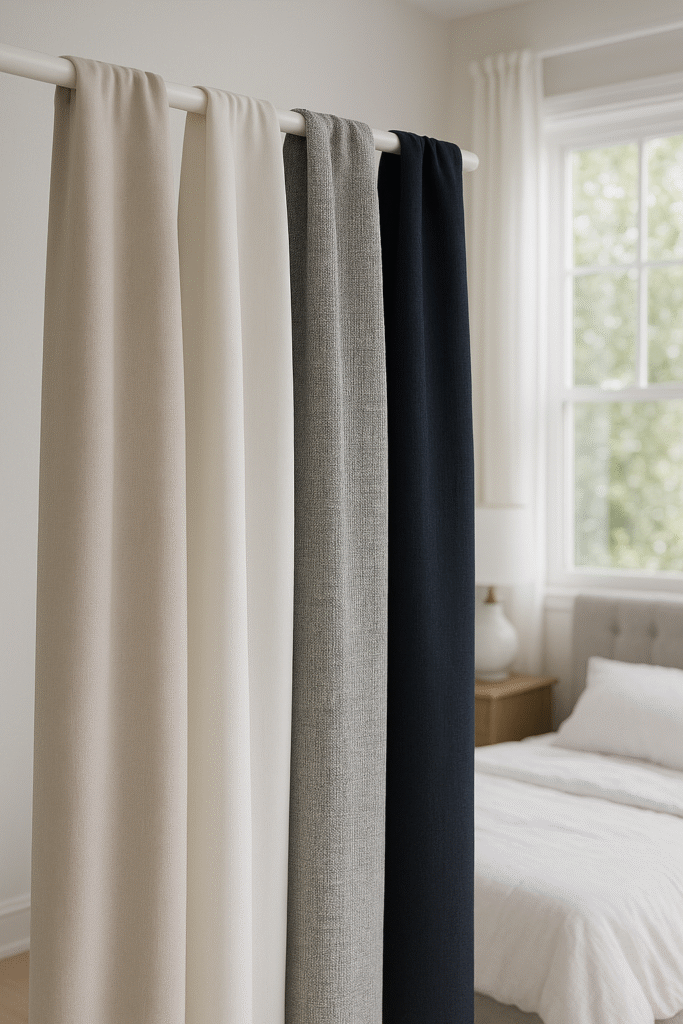
Color and Texture Considerations
Calming Colors for Better Sleep
Studies show that blue, green, and muted gray tones promote relaxation. Avoid high-energy hues like bright red or neon yellow in bedrooms.
Textured Fabrics for Warmth and Depth
Jacquards, weaves, and embroidered fabrics add visual depth and tactile comfort. They’re a great way to enrich plain bedroom designs without overwhelming the space.
When to Go Bold vs When to Stay Neutral
Use bold colors or prints in large rooms with neutral walls. For smaller bedrooms, stick with light and neutral shades to enhance the sense of space and tranquility.
Read More: Blackout vs Regular Curtain Fabrics
Practical Tips for Bedroom Curtain Selection
Measure Your Window Correctly
Always measure both the width and height of your window, factoring in curtain fullness and rod placement. Curtains should generally be 1.5 to 2 times the window width.
Choose a Lining or a Double Layer for Flexibility
Linings enhance durability, light control, and insulation. Double-layered systems give users the flexibility to adjust lighting based on time of day.
Consider Easy-to-Clean Fabrics
Curtains in bedrooms should be low maintenance. Opt for machine-washable or stain-resistant options, especially for children’s rooms or allergy-sensitive environments.
Avoid Overly Stiff or Shiny Materials
Unless the design specifically calls for it, overly stiff or reflective fabrics can feel cold or dated in a bedroom setting.
Common Mistakes to Avoid
Using Transparent Fabrics Without Proper Lining
Sheers alone won’t provide enough privacy at night. Always pair them with a lined or blackout curtain in bedrooms.
Ignoring How the Fabric Reacts to Light
Some fabrics fade quickly under direct sunlight, especially silks and some linens. Always choose UV-resistant options for rooms with high sun exposure.
Prioritizing Style Over Comfort and Function
A stunning curtain that fails to block light or trap heat is a design failure. Comfort and function should lead your selection process.
Choosing Heavy Fabrics for Small or Humid Rooms
In small or moisture-prone bedrooms, heavy fabrics can overwhelm the space or retain dampness. Opt for lighter, breathable options instead.
Recommended Products from Al-Nassaj
Ready-Made Blackout Curtains in Soft Tones
Available in beige, charcoal, and navy, our triple-weave blackout curtains provide total darkness with a soft texture.
Cotton-Linen Blend Curtains for Natural Airflow
Breathable, stylish, and durable—these blends are perfect for minimalist or eco-conscious interiors.
Elegant Velvet Curtains for Master Bedrooms
Our plush velvet curtains come in jewel tones and neutral palettes, offering luxury and insulation in one package.
Sheer Curtains for Layering with Blackout Panels
Our selection of sheer voile curtains adds elegance and dimension, ideal for double curtain rods.
FAQ
What is the best fabric for blocking light in bedrooms?
Triple-weave blackout polyester is the most effective fabric for complete darkness, especially with a foam backing.
Can I use sheer curtains as the sole window treatment in a bedroom?
Only if the room has no privacy concerns. Otherwise, always pair them with blackout or lined curtains.
How often should I clean bedroom curtains?
Every 3 to 6 months is ideal, depending on air quality and allergies. Use machine-washable fabrics for convenience.
Are natural fabrics better for creating a sleep-friendly environment?
Yes. Cotton, linen, and bamboo fabrics are breathable and non-toxic, making them ideal for healthy, restful sleep spaces.
The perfect curtain fabric for a bedroom balances beauty, comfort, and performance. Whether you’re aiming for darkness, luxury, simplicity, or natural light diffusion, there’s a textile that meets your needs.
At Al-Nassaj, we’re proud to supply high-quality wholesale fabrics from China tailored for global furniture makers and interior designers.
Explore our wide range of bedroom-appropriate fabrics and let comfort and elegance define your next project.