Cotton vs Silk: Which Curtain Fabric to Choose? | A Complete Comparison for Your Home


Selecting the right curtain fabric is crucial for achieving the desired aesthetics, functionality, and comfort in your living spaces. Among the myriad of fabric options available, cotton and silk stand out as two of the most popular choices for curtains.
Each brings its unique qualities, benefits, and considerations. This comprehensive guide delves into the characteristics, advantages, and drawbacks of cotton and silk curtains, aiding you in making an informed decision tailored to your home’s needs.
Table of Contents
Overview: Cotton and Silk as Curtain Fabrics
Natural Origins and Characteristics
Both cotton and silk are natural fibers, each with distinct origins and properties:
- Cotton is derived from the fluffy fibers of the cotton plant. It’s known for its softness, breathability, and versatility. Cotton fabrics can range from lightweight to heavy, depending on the weave and treatment.
- Silk is produced by silkworms and is renowned for its luxurious sheen and smooth texture. It’s a delicate fiber that exudes elegance and sophistication.
Key Differences in Texture, Appearance, and Performance
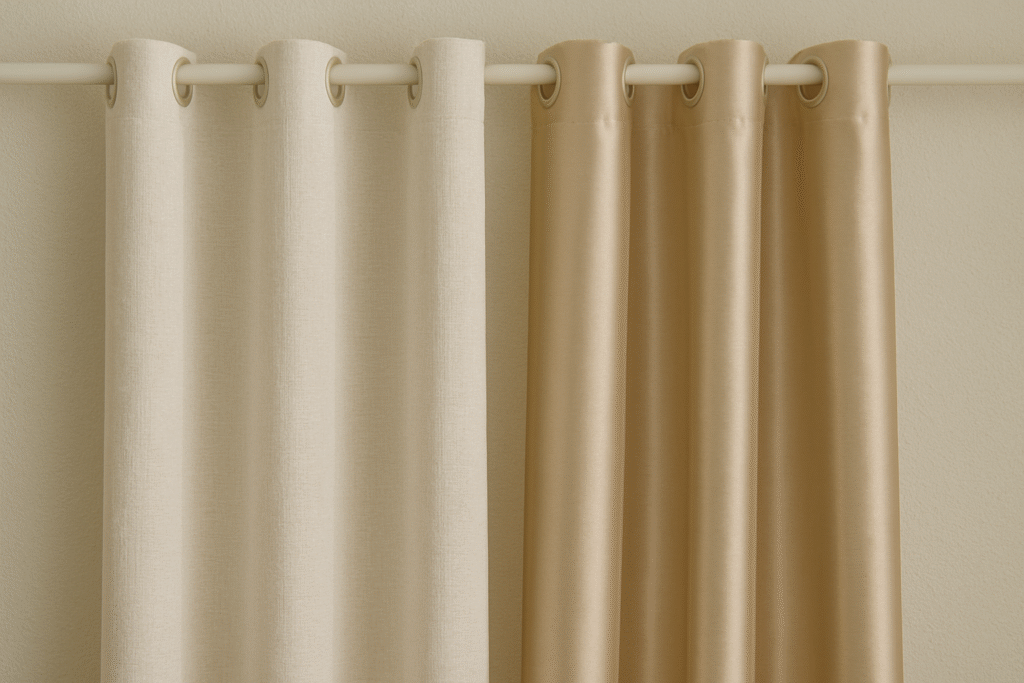
- Texture: Cotton offers a matte finish with a soft, crisp feel, while silk provides a smooth, glossy surface that drapes gracefully.
- Appearance: Cotton’s appearance is more casual and understated, suitable for various interior styles. Silk, with its natural luster, adds a touch of opulence, making it ideal for formal settings.
- Performance: Cotton is durable and easy to maintain, whereas silk requires careful handling and maintenance due to its delicate nature.
Why Cotton and Silk Are Both Popular Choices for Curtains
The popularity of cotton and silk in curtain applications stems from their:
- Aesthetic Appeal: Both fabrics enhance the visual appeal of interiors, catering to different design preferences.
- Functional Benefits: Cotton provides breathability and ease of care, while silk offers insulation and a luxurious ambiance.
- Versatility: Available in various weaves, colors, and patterns, both fabrics can be tailored to suit diverse décor themes.
Read More: Best Fabrics for Summer Curtain Use
Benefits of Cotton Curtains
Cotton curtains are favored for their practicality and adaptability. Here’s an in-depth look at their advantages:
Breathability and Natural Airflow
Cotton’s breathable nature allows air to circulate freely, making it ideal for maintaining a comfortable indoor environment. This property is particularly beneficial in warmer climates, where airflow is essential for cooling.
Durability and Easy Maintenance
Cotton is a robust fiber that withstands regular use. Its resilience ensures longevity, and it can endure frequent washing without significant wear. Maintenance is straightforward, often requiring simple machine washing and ironing.
Versatile Styles: Casual, Classic, and Contemporary
The adaptability of cotton enables it to complement various interior styles:
- Casual: Light cotton curtains in neutral tones create a relaxed atmosphere.
- Classic: Heavier cotton with traditional patterns suits timeless décor.
- Contemporary: Bold colors and modern prints in cotton fabric align with current design trends.
Cost-Effectiveness and Availability
Cotton is widely available and generally more affordable than silk. This accessibility makes it a practical choice for homeowners seeking quality without a hefty price tag.
Drawbacks of Cotton Curtains
While cotton offers numerous benefits, it’s essential to consider its limitations:
Prone to Wrinkling Without Treatment
Cotton fabrics tend to wrinkle easily, which can affect the curtain’s appearance. Regular ironing or the use of wrinkle-resistant treatments may be necessary to maintain a crisp look.
Can Fade with Prolonged Sun Exposure
Extended exposure to sunlight can cause cotton curtains to fade over time. Utilizing linings or UV-protective coatings can mitigate this issue.
Less Luxurious Appearance Compared to Silk
While cotton is versatile, it lacks the inherent sheen and drape of silk, making it less suitable for spaces where a luxurious aesthetic is desired.
Benefits of Silk Curtains
Silk curtains are synonymous with elegance and are chosen for their distinctive qualities:
Elegant, Luxurious Drape and Sheen
Silk’s natural luster and fluid drape add a sophisticated touch to interiors. The fabric’s ability to catch and reflect light enhances its visual appeal.
Excellent Insulation for Temperature Control
Silk provides effective insulation, helping to maintain indoor temperatures by reducing heat loss in winter and heat gain in summer.
Ideal for Formal Living Spaces and Bedrooms
The opulent nature of silk makes it perfect for formal areas such as living rooms and master bedrooms, where an upscale ambiance is desired.
Rich Color Absorption for Deep, Vibrant Hues
Silk’s affinity for dyes results in rich, vibrant colors that remain vivid, adding depth and character to the room’s décor.
Drawbacks of Silk Curtains
Despite its luxurious appeal, silk has certain drawbacks:
Higher Cost Compared to Cotton
Silk is a premium fabric, and its cost reflects its quality and production process. Budget considerations are essential when opting for silk curtains.
Delicate Nature Requiring Special Care
Silk is sensitive to moisture and abrasion, necessitating gentle handling. Professional cleaning is often recommended to preserve its integrity.
Sensitive to Sunlight, Needing Lining or UV Protection
Prolonged exposure to sunlight can degrade silk fibers, leading to fading and weakening. Incorporating protective linings or UV-resistant treatments is advisable to extend the fabric’s lifespan.
Choosing the Right Fabric Based on Your Needs
Selecting between cotton and silk depends on various factors:
For Casual and Everyday Spaces: Cotton Preferred
In areas like kitchens, children’s rooms, or casual living spaces, cotton’s durability and ease of maintenance make it the preferred choice.
For Formal and Luxurious Interiors: Silk Is Ideal
Silk’s elegance suits formal settings, such as dining rooms or master suites, where its aesthetic qualities can be fully appreciated.
For High-Sunlight Areas: Cotton with UV Treatment
In sun-exposed rooms, cotton curtains with UV-resistant finishes offer a balance between functionality and longevity.
For Creating Rich Visual Impact: Silk with Proper Lining
To achieve a dramatic and luxurious effect, silk curtains with appropriate linings can enhance the room’s visual appeal while protecting the fabric.
Styling Tips for Cotton and Silk Curtains
Enhance the impact of your curtains with these styling suggestions:
Pair Cotton Curtains with Simple Rods and Accessories
Opt for minimalist hardware to complement cotton’s casual charm, allowing the fabric’s texture and color to stand out.
Use Layered Silk Curtains with Elegant Tiebacks
Layering silk curtains with sheers and using decorative tiebacks can add depth and sophistication to the window treatment.
Color Matching: Neutrals for Cotton, Bold Tones for Silk
Neutral shades in cotton offer versatility, while silk’s rich color absorption allows for bold, statement-making hues.
Mixing Textures for a Dynamic Interior Look
Combine cotton and silk elements within a room to create a dynamic interplay of textures, enhancing the overall design scheme.
Al-Nassaj Recommendations for Cotton and Silk Curtains
At Al-Nassaj, we offer a curated selection of fabrics to meet diverse design needs:
High-Quality Cotton Collections for Versatile Interiors
Our cotton range includes various weaves and finishes, suitable for both casual and formal settings, ensuring durability and style.
Premium Silk Curtains for Sophisticated Designs
Explore our silk offerings, featuring exquisite textures and vibrant colors, perfect for creating luxurious interiors.
Custom Options with Professional Lining and Sizing
We provide tailored solutions, including custom linings and precise sizing, to ensure your curtains meet specific requirements.
Sample Swatches Available for Better Decision-Making
To assist in your selection process, we offer fabric swatches, allowing you to experience the texture and color firsthand before making a purchase.
FAQ
Is Cotton or Silk Better for Hot Climates?
Cotton is more breathable and better suited for hot climates, offering comfort and ease of maintenance. Silk, while insulating, may not provide the same level of breathability.
Can Silk Curtains Be Machine Washed?
Silk is delicate and typically requires professional cleaning. Machine washing is not recommended as it can damage the fabric.
How Do I Protect Silk Curtains from Sun Damage?
To safeguard silk curtains from sunlight, use protective linings, UV-resistant window films, or position them away from direct sun exposure.
Is It Possible to Combine Cotton and Silk in One Design?
Yes, combining cotton and silk can create a layered, textured look. For instance, using cotton for the main curtain and silk for decorative elements adds depth and interest.
Choosing between cotton and silk curtains involves balancing aesthetics, functionality, and maintenance considerations. Cotton offers versatility, durability, and ease of care, making it suitable for everyday use.
Silk provides unparalleled elegance and insulation but requires careful handling and investment. By understanding the distinct qualities of each fabric, you can make an informed decision that enhances your home’s comfort and style.
At Al-Nassaj, we’re committed to providing high-quality fabrics to meet your design aspirations.
Read More